
The difference between permanent vs removable stickers comes down to adhesive formulation. Permanent stickers use a high-bond adhesive engineered to deepen its grip over time, making them ideal for outdoor surfaces, product labels, and anything that needs to stay put for the long haul. Removable stickers use a controlled-release formulation that peels cleanly without leaving residue, making them the right call for promotional giveaways, seasonal campaigns, and anything going on a surface someone cares about. The choice comes down to three things: how long the sticker needs to stay on, what surface it’s going on, and whether it needs to come off cleanly. If you’re already weighing both options, this article can help you choose the right spec before anything goes to print.
Why does adhesive type matter more than most people expect?
Most sticker orders follow the same path: pick a format, choose a size, upload a design, and place the order. The question of permanent vs removable stickers rarely enters the conversation until something goes wrong. A promotional sticker leaves a sticky outline on someone’s laptop. A product label won’t budge from a jar a customer wanted to reuse. An outdoor decal starts lifting at the edges within weeks of application.
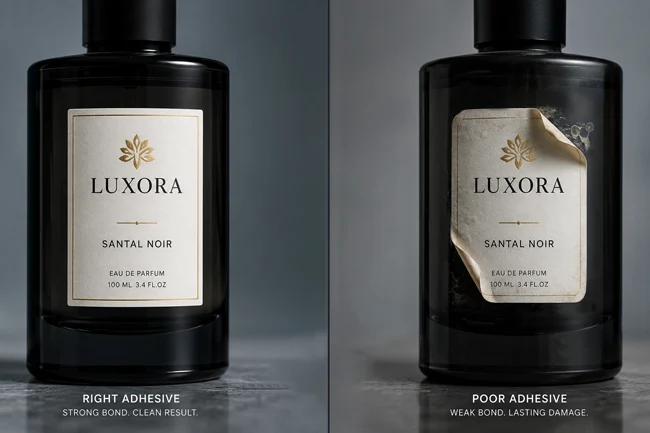
The adhesive is doing more of the work than most people realize. It determines how strongly the sticker bonds on day one, how that bond changes over weeks and months, how the sticker behaves under heat and humidity, and what happens to the surface when it eventually comes off. For a US business putting its name on that sticker (whether it’s going into a product box, handed out at a trade show, or shipped to a customer), the adhesive decision is a brand decision. Get it right and no one notices. Get it wrong, and the sticker is the last impression your brand makes.
What is permanent adhesive, and when should you use it?
Permanent adhesive is formulated for long-term, high-strength bonding. It grips firmly on application and continues to deepen that bond over the first 48 to 72 hours. The longer a permanent sticker stays on, the harder it becomes to remove without leaving residue or damaging what’s underneath. That’s not a flaw. For applications where the sticker is meant to stay for the life of the product or surface, a deepening bond is exactly the behavior you want.
Permanent adhesive is the right call when you need staying power above everything else: outdoor signage and vehicle decals facing UV exposure, rain, and temperature swings; product labels on bottles and jars that will sit on shelves or in storage for months; bumper stickers that need to hold against road grime and direct sunlight; and asset tags on equipment or inventory that needs to stay identified for years. In each of these cases, the sticker is not coming off by design, and the adhesive should reflect that.
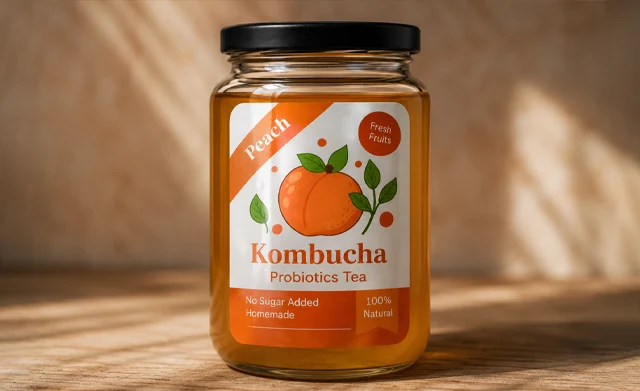
One thing worth being clear on: a permanent adhesive and a durable sticker are not the same. Durability, UV resistance, and weatherproofing are properties of the sticker material (the vinyl, the laminate, the face stock). A permanent adhesive on a paper sticker will bond extremely well, but the sticker itself will still degrade in outdoor conditions. Material and adhesive are separate decisions, and both matter for long-term performance. AllStickerPrinting’s standard vinyl decals are built with both in mind, using permanent adhesive on weatherproof material rated for outdoor use.
What is removable adhesive, and when does it make sense?
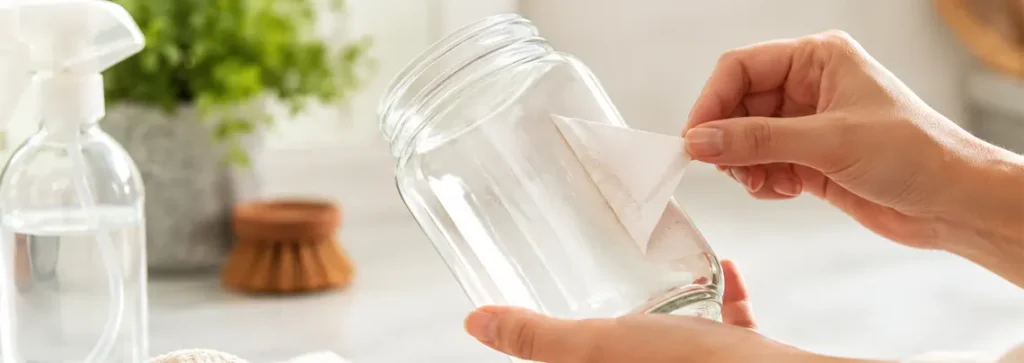
Removable adhesive is not simply a weaker version of permanent adhesive. It’s an entirely different formulation, engineered specifically for controlled release. The goal isn’t low initial tack. It’s the ability to peel cleanly after weeks or months in place, without pulling surface material or leaving a sticky residue behind.
That distinction matters in practice. A generic low-tack sticker might feel easy to remove when fresh, but leave residue after a few months. A properly formulated removable adhesive maintains a clean-release window across a longer period. Typically, six to twelve months under normal indoor conditions. Though heat, direct sunlight, and outdoor exposure will shorten that window significantly.
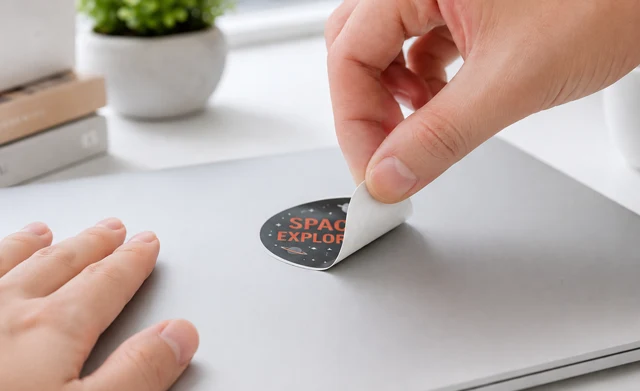
Removable adhesive makes sense any time the sticker is temporary by design or going on a surface the end user cares about. Promotional stickers and branded giveaways are the clearest example. The sticker is going onto personal property, and it will eventually come off. If it leaves residue when it does, that’s the last thing your brand did to someone’s belongings. A sticker that comes off cleanly earns goodwill. One that doesn’t, doesn’t. For packaging seals, box closures, window displays, and seasonal retail graphics, removable adhesive is almost always the correct specification.
Which surfaces work best with each adhesive type?
In many cases, the surface the sticker is going on will narrow the permanent vs removable stickers decision before anything else does.
Glass accepts both adhesive types well when the surface is clean and dry, but permanent adhesive on glass becomes very difficult to remove over time. If there’s any chance the sticker will need to come off a glass surface cleanly, removable adhesive is the safer choice.
Painted walls, furniture, and finished timber are where permanent adhesive causes the most damage. Strong adhesive on drywall, painted wood, or lacquered surfaces can pull paint and surface material on removal. Removable adhesive is almost always the correct call for any application that touches a painted surface, whether that’s a retail display, an office environment, or a home setting.
Car surfaces and vehicle paint are more nuanced. Bumper stickers designed for plastic bumpers use a permanent adhesive formulated for that substrate, and they hold well. Stickers applied to car windows can go either way, depending on the intended duration. Anything applied to car paint that will eventually need clean removal should use a removable adhesive or specialist automotive vinyl rather than standard permanent stock.
Textured surfaces generally require a permanent adhesive. Rough, porous, or uneven surfaces give the adhesive less flat contact area to grip, which means removable formulations often won’t hold reliably. Brick, timber, textured plastic, and fabric typically need a stronger formulation to maintain the bond.
Which adhesive should US businesses choose for each common application?
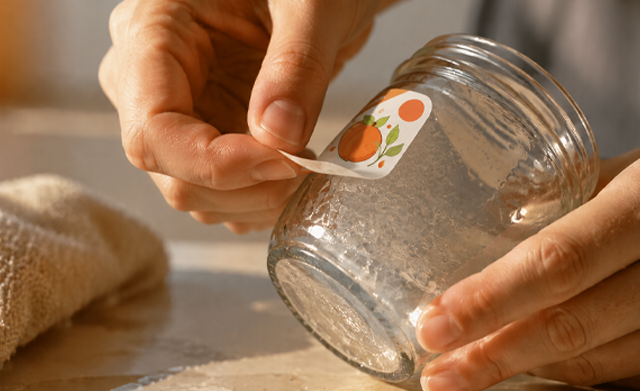
Product packaging and retail labels usually call for a permanent adhesive. A primary label on a glass or plastic bottle sitting on a shelf for months needs to stay flat and firmly bonded through handling, humidity changes, and refrigeration. The exception is reusable packaging. If you’re selling a product in a jar or container that customers might want to keep, a removable adhesive can be a genuine point of difference that customers notice and appreciate.
Promotional stickers and branded giveaways are almost always better served by removable adhesive. The sticker is going onto personal property, and the brand experience extends to the moment it eventually comes off. When weighing permanent vs removable stickers for giveaways, removable adhesive costs the same and eliminates the risk. This is one of the most common and avoidable sticker mistakes US businesses make at trade shows, in product packaging inserts, and at events.
Seasonal and event-based applications are a clear case for removable. A holiday window graphic, a product launch campaign sticker, branded decals for a pop-up: these are all temporary by design. Using permanent adhesive for a temporary application is an easy mistake to avoid. It creates an entirely preventable cleanup problem for whoever has to remove it.
Laptop and device stickers occupy a middle ground. Most customers putting a sticker on a laptop intend to keep it there indefinitely, which might suggest permanent adhesive. But laptops get replaced, traded in, or sold, and a sticker that can’t be removed can become a problem. Removable adhesive is the more considered choice for this application, even when the customer’s current intention is to keep it forever.
Outdoor and long-term applications need a permanent adhesive on a weatherproof material, full stop. Removable adhesive is not designed for sustained outdoor exposure. Wind, UV, and temperature cycling will cause a removable sticker to lift at the edges within weeks. If it’s going outside and it’s meant to stay, permanent adhesive on vinyl is the minimum specification.
What are the most common sticker adhesive mistakes businesses make?
The most common error is using permanent adhesive for a sticker that’s going on a surface the customer cares about. It plays out the same way almost every time: a branded sticker with permanent adhesive is included in a product order or handed out at an event, and eventually, the customer tries to remove it. The residue it leaves behind is the last thing that the brand does to their property. Removable adhesive prevents this entirely and costs no more.
The second most common error is the reverse. Businesses choose removable adhesive for an outdoor or long-term application because it sounds safer, or because no one thought to specify otherwise. Removable adhesive on an outdoor surface begins lifting within weeks in direct sunlight. If the application is outdoor or long-term, removable is the wrong choice regardless of how clean it sounds.
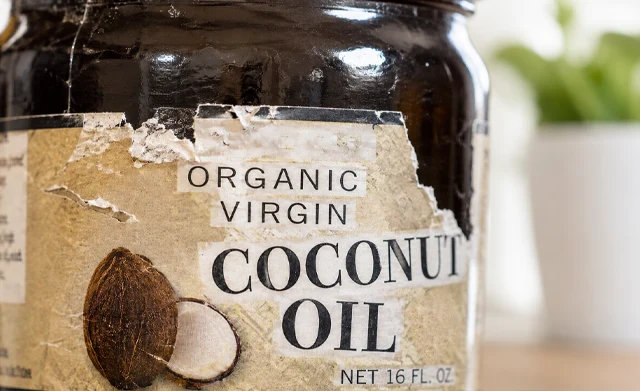
A third mistake is assuming adhesive quality scales with sticker price. It doesn’t. Generic adhesive formulations often underperform at both ends: not strong enough for permanent applications, not clean enough for removable ones. Adhesive quality is a function of the formulation, not the unit cost. Before ordering in volume, it’s worth confirming what adhesive specification your printer is using. At AllStickerPrinting, they’ll be happy to walk through that before production begins.
The least obvious mistake is not thinking about removal at the point of ordering. Most sticker decisions are made from the perspective of application: how it will look, how well it will stick, and whether it will stay. The removal question comes later, usually at the worst possible time, when the stickers are already out in the world. Thinking about how, when, and where the sticker will eventually come off at the moment of ordering saves a significant amount of trouble downstream.
Final Thoughts
The permanent vs removable stickers decision is really a question about the full life of the sticker, not just the moment it goes on. How long does it need to stay? What surface is it going on? And when the time comes, does it need to come off cleanly? Permanent adhesive is right for long-term use, outdoor applications, and anywhere staying power is the priority. Removable is the better fit for promotions, temporary campaigns, personal items, and anywhere a clean release matters.
A lot of sticker problems only surface after the stickers are already out in the world, which is why getting the spec right at the point of ordering matters more than most people expect.
Ready to print? AllStickerPrinting ships custom stickers across the US. Whatever you need, they’ll make sure the spec matches the application before anything goes to press.
Get a free quote → or order a sample pack to test the adhesive on your surface before committing to a full run.