
When it comes to business cards, every detail matters. As Crowdspring had said, your card can be the first volley in a long and fruitful business relationship. From the paper stock to the finish, even the business card font you choose can shape how people perceive your brand. That is why choosing the best business card fonts becomes an essential part of your overall design. Fonts carry personality, communicate tone, and shape first impressions. A bold, modern typeface can project innovation and confidence, while a classic serif font may convey tradition, trust, and reliability.
Choosing the right font also affects clarity and readability, which is especially important on small surfaces, such as business cards or even business card stickers. The size, spacing, and style of your typeface must work together to ensure your information is easy to read at a glance. Pairing fonts can create contrast and hierarchy, for example, using one style for your name and another for your contact details. The right typography doesn’t just display information; it reinforces your brand marketing and leaves a lasting impact.
Why It Matters
Your font is one of the first things people notice. It communicates professionalism, creativity, and brand identity at a glance. The best business card font strikes a balance between style and readability, ensuring that your contact information is clear and your brand’s personality shines through. The wrong font, on the other hand, can work against you. An overly decorative typeface might make your design look cluttered or childish, while something too thin or small can become challenging to read. At networking events, where impressions are formed in seconds, the last thing you want is for your card to feel outdated or unclear. Typography, when done right, creates impact and memorability.
What to Look for in a Business Card Font
When choosing the best fonts for business cards, keep these essentials in mind:
- Readability at small sizes. Business cards have limited space, and your details need to remain legible. Sans-serif fonts, such as Arial or Helvetica, work well for clarity.
- Brand alignment. Fonts should reflect who you are. A serif font, such as Times New Roman, conveys a classic and formal feel, while a modern sans serif, like Roboto, communicates innovation and simplicity.
- Balance and spacing. Ensure the font weight and letter spacing don’t appear cramped. Pair bold typefaces for names with lighter weights for details to create hierarchy and flow.
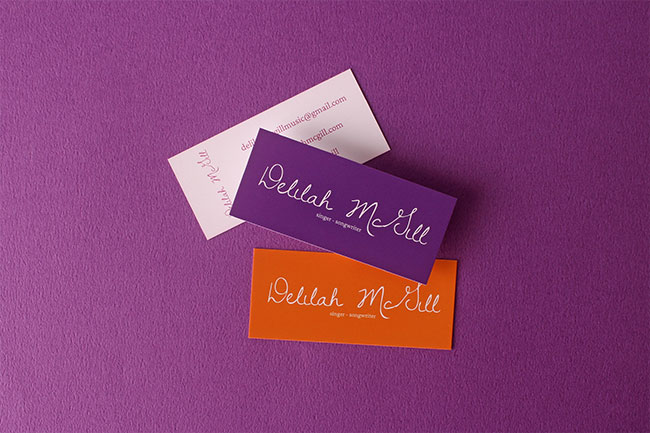
Popular Choices for Business Card Fonts
Some of the best fonts for business cards include:
- Roboto
A clean, modern font that balances geometric precision with a friendly tone. It’s widely used in tech, startups, and creative industries because it feels approachable yet professional. Roboto suggests innovation and adaptability, making it perfect for brands that want to appear fresh and forward-thinking. - Times New Roman
A timeless serif that instantly conveys tradition, authority, and reliability. Its formal appearance makes it a safe choice for law firms, financial institutions, or academic settings where trust and heritage matter. Using this font on a business card signals stability and seriousness. - Arial
Simple, versatile, and easy to read in almost any context. Its neutrality makes it a practical choice for professionals who value clarity over ornamentation. Choosing Arial communicates straightforwardness, efficiency, and accessibility. - Baskerville
Elegant and refined, with a distinct sophistication in its serifs and proportions. This font is often used by luxury brands, designers, and creative agencies that aim to convey prestige and artistry. On a business card, Baskerville conveys a sense of taste, refinement, and attention to detail. - Montserrat
Bold and contemporary, it is designed with strong geometric shapes that give it a modern edge. It’s ideal for brands that want to project energy, confidence, and individuality. A business card in Montserrat conveys a sense of current relevance and memorability, making a strong impression in creative and entrepreneurial settings.
No single font works for everyone. The best choice depends on your brand identity and the message you want to deliver.
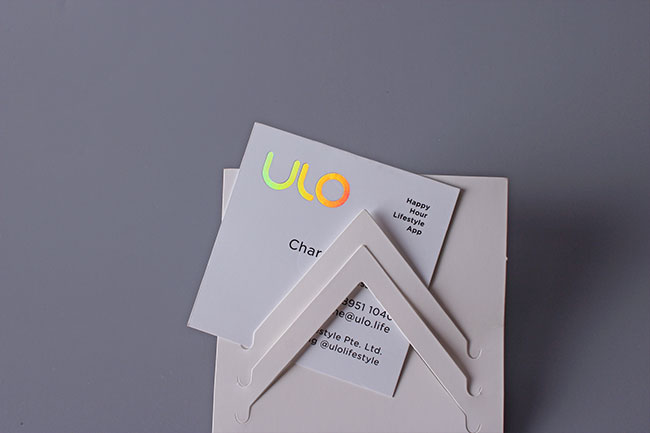
Designing Business Cards with Fonts in Mind
Once you’ve chosen a font, consider how it works with your logo, layout, and overall brand tone. Always test your typeface at its actual printed size, because fonts can shift in appearance when moved from digital preview to a physical card. On lighter stocks like Standard Matte 250 gsm, fine strokes and delicate serifs tend to stay sharp, while thicker, more premium materials tend to change how bold or script fonts feel on the card.
Different paper types also influence readability and style. Smooth, bright options such as Royal Extra White 400 gsm often enhance modern, minimalist fonts, especially those with clean lines. Textured or naturally toned papers like Vintage Kraft 300 gsm introduce a warmer, more organic character that pairs well with simple, sturdy typefaces.
You can also explore pairing two fonts to create hierarchy, using a confident header style for your name and a more subdued font for your details. Testing these combinations across various card stocks ensures you come up with the best business cards, polished and aligned with your brand identity.
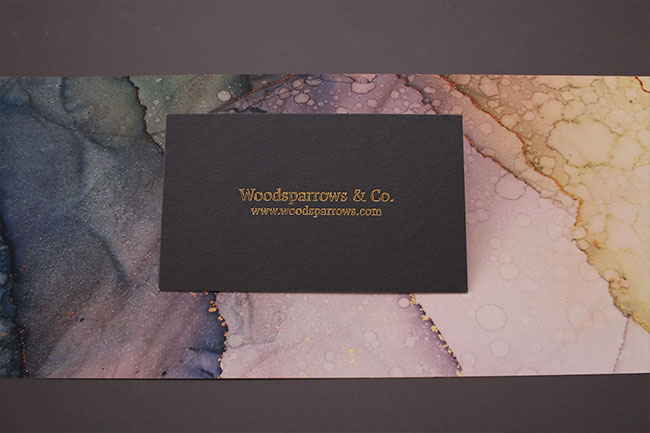
Final Thoughts
Fonts may be one of the smallest parts of a business card, but they have a significant effect. The right font makes your card easy to read, shows your brand’s personality, and leaves a strong impression. A good choice helps people remember you, while an incorrect one can make your card look messy or complicated to read, especially when you use consistent branding across stickers and business cards.
By focusing on readability and selecting a style that aligns with your brand, you can create business cards that appear professional and stand out for the right reasons. Explore StickerCanada’s custom business card printing options and bring your design to life.