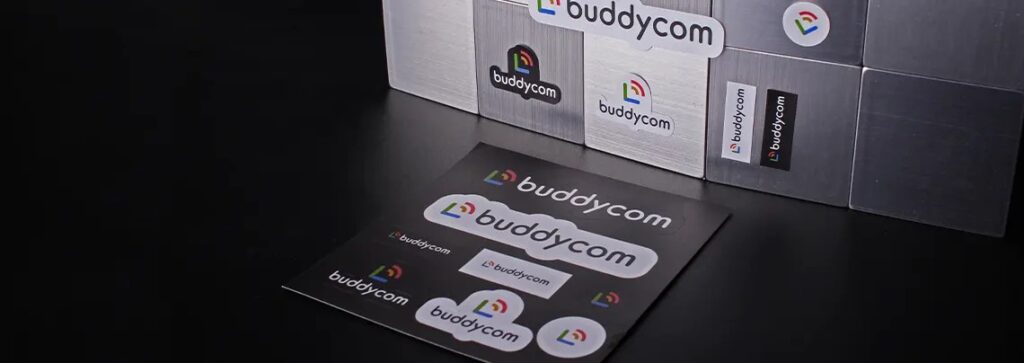

Stickers can be powerful marketing tools, but understanding how to design stickers that actually work is what turns them into effective assets rather than simple printed materials. It comes down to thoughtful design decisions that consider messaging, durability, and how people interact with them in real environments. A well-designed sticker communicates quickly, lasts longer, and encourages engagement, turning a simple printed piece into a meaningful brand touchpoint.
Understanding what makes stickers work helps businesses move beyond decoration and use them as intentional marketing assets.
Start With Clear, Focused Messaging in Sticker Design
The most effective stickers communicate their purpose within seconds. Whether the goal is brand awareness, promotion, or directing someone to an online platform, clarity should always come first.

Simple layouts tend to perform better than crowded designs because they are easier to read at a glance. Strong contrast between text and background improves visibility, especially when stickers are placed in busy environments like laptops, packaging, or public surfaces. Limiting the message to one primary idea prevents confusion and strengthens recall.
A sticker should answer a basic question quickly: What should the viewer notice or remember? When that answer is clear, the design becomes more effective.
Choose Materials That Extend Exposure Time
Design does not stop with visuals. Material choice directly influences how long a sticker remains usable and visible. The longer a sticker lasts, the more impressions it generates.
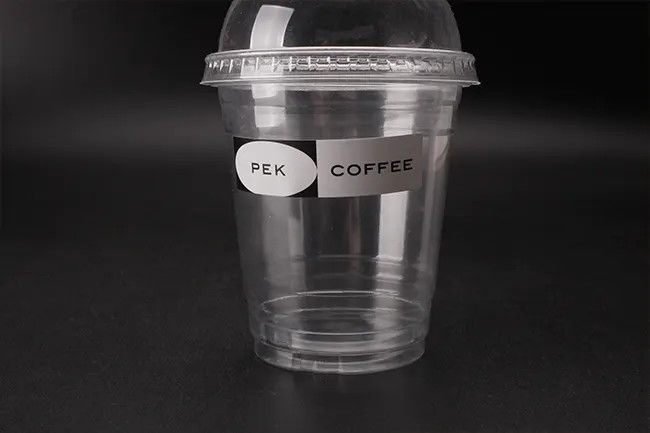
Vinyl materials are often preferred because they resist moisture, scratches, and fading. Waterproof stickers are particularly valuable for items that experience frequent handling, outdoor exposure, or temperature changes. A durable sticker placed on a water bottle, vehicle, or equipment can remain visible for months or even years.
Durability increases return on investment because the sticker continues promoting the brand without additional cost. Material selection is therefore not just a production decision. It is a marketing strategy.
Add Interactive Elements That Drive Engagement
Modern sticker design increasingly includes elements that connect physical branding to digital platforms. QR codes, short links, and social media handles transform stickers from passive visuals into interactive tools.
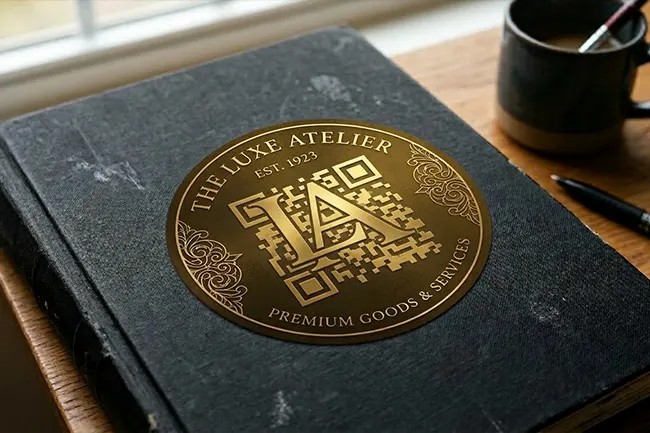
This shift is important because it allows businesses to measure engagement. A QR code can lead to a landing page, promotion, or campaign, providing data on user behavior. Social handles encourage followers and community interaction. Even simple calls to action like “Scan to learn more” can significantly increase participation.
Interactive stickers bridge offline and online marketing, creating opportunities for both visibility and analytics. This combination strengthens their value compared to many traditional promotional materials.
Placement and Real-World Context When You Design Stickers
Here’s a clean revision with the keyphrase naturally integrated without disrupting flow:
Where a sticker is placed often matters as much as how it is designed, and understanding how to design stickers effectively includes thinking about where they will be seen and used. Stickers perform best when they appear in environments where people naturally spend time and attention.

For example, stickers on laptops, packaging, notebooks, or equipment travel with users, creating repeated exposure. Event stickers placed in high-traffic areas increase visibility among new audiences. Product packaging stickers extend brand presence into homes and workplaces.
Considering placement during the design phase helps ensure readability, durability, and relevance. A sticker designed for outdoor use may require different materials and contrast than one intended for indoor packaging. Aligning design with context improves both performance and longevity.
Final Thoughts
Effective sticker design combines clarity, durability, and strategy. When messaging is focused, materials are chosen thoughtfully, and interactive elements are included, stickers move beyond decoration and become practical marketing tools that deliver long-term value.
If you are ready to apply what you’ve learned about how to design stickers that actually work, visit AllStickerPrinting and explore our custom sticker printing options. Whether you are creating stickers for your brand, you can choose from a range of materials, finishes, and formats that support effective real-world use. The right combination of layout, material, and finish can turn a well-designed concept into a sticker that performs effectively across packaging, products, and everyday environments.