

Custom stickers are one of the most flexible branding tools available today. They are affordable, easy to use, and adaptable across packaging, promotions, and everyday branding. Yet one question comes up again and again when businesses start exploring sticker options: vinyl or paper stickers?
Understanding the difference between vinyl and paper stickers is essential for choosing the right material for your needs. Each option serves a distinct purpose, and selecting the wrong one can affect durability, appearance, and overall brand perception. This guide breaks down the basics, helping you decide which sticker type makes the most sense for your project and how to use each effectively.
What Are Vinyl Stickers?
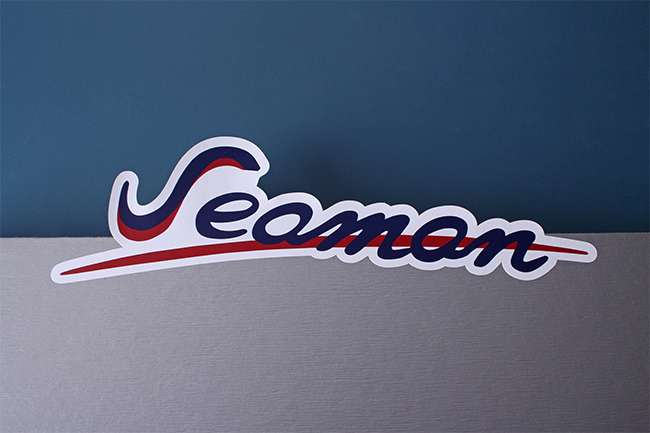
Vinyl stickers are made from a synthetic plastic material designed for durability. They are known for their resistance to moisture, sunlight, and frequent handling, which makes them a popular choice for long-term or high-use applications.
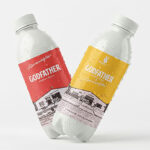
Because vinyl stickers hold up well against wear and tear, they are often used on packaging that travels long distances, outdoor signage, drink bottles, laptops, and vehicles. They maintain colour vibrancy over time and are less likely to peel, smudge, or fade.
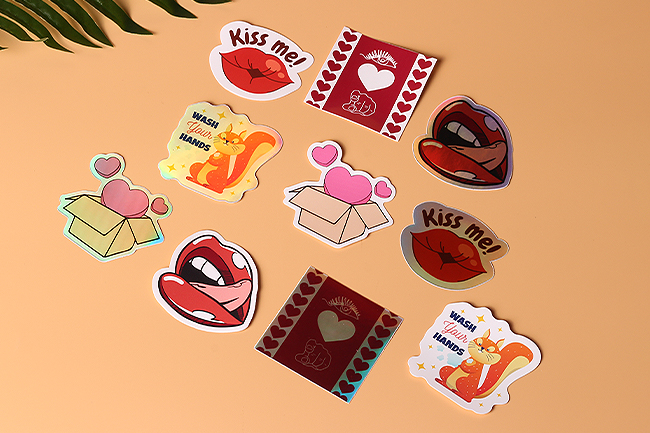
Vinyl stickers also tend to feel more premium. Their flexibility allows for clean edges, smooth finishes, and high-quality printing. This makes them a strong option for brands that want their stickers to double as keepsakes or long-lasting promotional items rather than disposable labels.
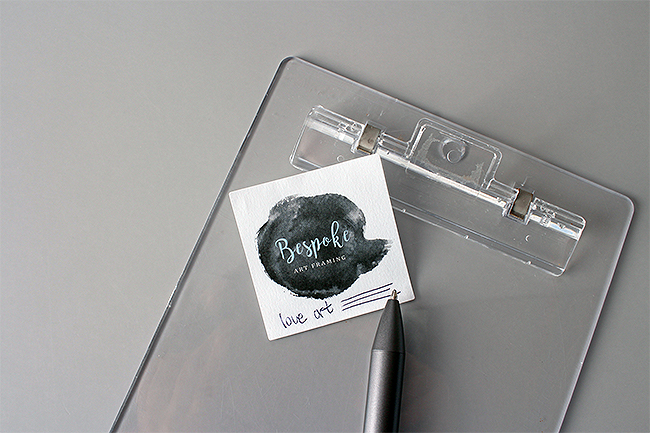
What Are Paper Stickers?
Paper stickers are made from paper-based materials and are generally intended for short-term or indoor use. They are lightweight, cost-effective, and well-suited for projects where durability is not a top priority.
These stickers are commonly used for product labelling, seals, price tags, and promotional packaging. They work especially well for items that will not be exposed to moisture or heavy handling, such as boxes, envelopes, or retail packaging.
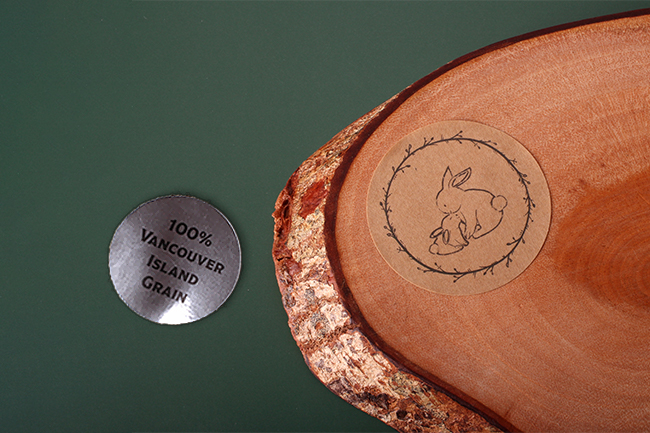
Paper stickers often have a more natural, understated look. This can be appealing for brands aiming for a handmade, minimalist, or eco-conscious aesthetic. While they may not last as long as vinyl options, paper stickers are ideal when you need a clean, professional finish without the added cost of more durable materials.
Vinyl or Paper Stickers: Key Differences to Know
When comparing vinyl or paper stickers, durability is the most noticeable difference. Vinyl stickers are water-resistant and suitable for outdoor or high-contact use, which is why they are commonly chosen for outdoor stickers, while paper stickers are best kept indoors and away from moisture.
Cost is another factor. Paper stickers are typically more affordable, making them a practical choice for large quantities or short-term campaigns. Vinyl stickers usually cost more but offer greater longevity, which can make them more cost-effective over time for certain applications.
Finish and feel also differ. Vinyl stickers often come in gloss or matte finishes that enhance colour and sharpness. Paper stickers may have a more textured or muted appearance, depending on the stock used. The right choice depends on how you want your brand to be perceived and where the stickers will be placed.
How Sticker Material Impacts Branding and Perception
Sticker material may seem like a small detail, but it plays a role in how customers perceive your brand. Vinyl stickers tend to feel more polished and durable, which can reinforce a sense of quality and professionalism. They signal that your brand invests in long-lasting materials and thoughtful presentation.
Paper stickers, on the other hand, can feel warm and approachable. They are often associated with artisanal products, small-batch goods, and eco-conscious branding. When used intentionally, they support a brand story rooted in simplicity and authenticity.
The key is alignment. Whether you choose vinyl or paper stickers, the material should support your overall brand message rather than work against it.
Making the Most of Custom Stickers
There is no universal answer to the vinyl or paper stickers question. The right choice depends on where the sticker will be used, how long it needs to last, and what impression you want to leave.
Many businesses use both types strategically. Vinyl stickers may be reserved for giveaways, packaging exposed to the elements, or long-term branding, while paper stickers handle labelling, promotions, and short-term applications. This balanced approach allows you to maximise impact while keeping costs under control.
The choice ultimately comes down to how you want your brand to show up in the real world. From durability and finish to how your stickers are actually used, the right material makes a noticeable difference. If you are ready to bring your sticker ideas to life, explore our full range of custom sticker options and see how easy it is to create designs that look professional, feel intentional, and work for your brand.