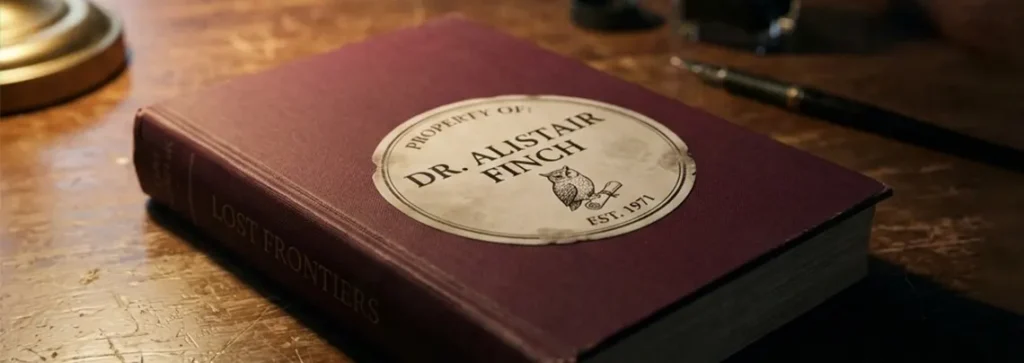

Price tags, library labels, and promotional stickers are common when buying books, especially secondhand copies, gifts, or former library stock. While these stickers serve a purpose at the point of sale, they can quickly become a source of frustration for readers and collectors. Knowing how to remove stickers from books properly will prevent torn covers, lifted ink, stubborn residue, or permanent discolouration on the surface beneath.
Books are not uniform objects. Covers vary in material, coating, and age, and adhesives interact differently with each surface. That means removing a sticker is less about speed and more about patience and awareness. With careful technique, most stickers, from classic paper stickers to vinyl, can be removed safely without compromising the book itself.
Why Stickers Can Damage Books
Sticker adhesives are designed to bond quickly and stay in place. When applied to books, they can sink into paper fibres or grip coated surfaces tightly. Pulling a sticker off too quickly can tear the top layer of a paperback or strip away printed ink, especially on matte or uncoated finishes.
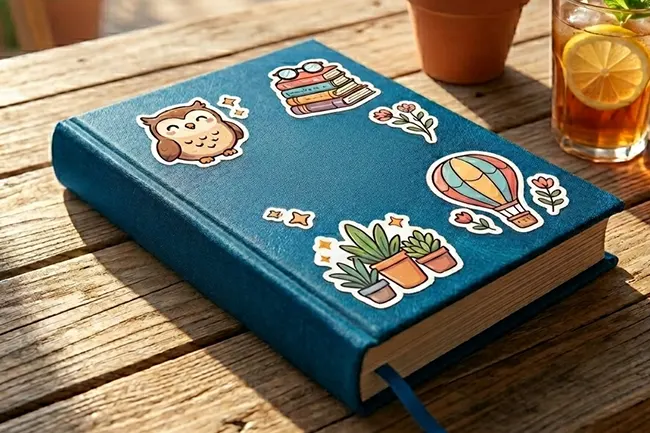
Different types of books react differently to stress. Paperbacks often have thinner, more absorbent covers that tear easily. Hardcovers may seem sturdier, but their dust jackets can be vulnerable to ripping or staining. Gloss-coated covers resist tearing but are prone to patchy discolouration if adhesive residue remains or if heat is applied improperly. Even small promotional stickers or discount stickers can cause damage if handled carelessly. Taking time to consider the book’s condition, age, and cover finish is essential for avoiding permanent marks.
Safe Methods for Removing Stickers
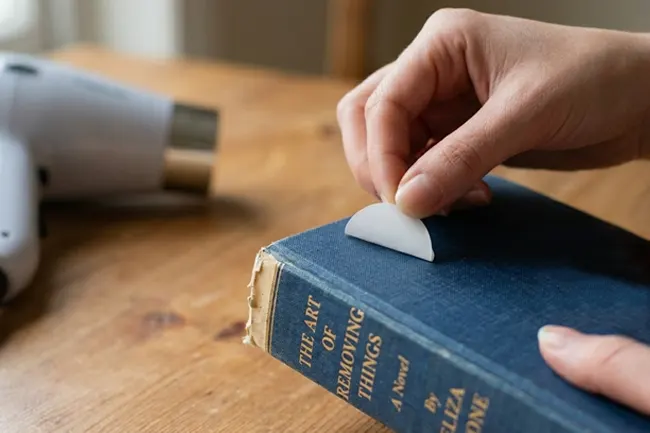
One of the safest ways to loosen sticker adhesive is through gentle heat. Following proper guidance on how to remove stickers from books prevents tearing, smearing, or discoloration. Warm air softens the glue, allowing it to release gradually rather than tearing the surface beneath. A household hair dryer set to low or medium works well. Keep the heat moving about 15 to 20 centimetres from the sticker and avoid lingering in one spot.
After warming the sticker for 10 to 20 seconds, test an edge with a fingernail or a soft plastic card. Peel the sticker back over itself at a low angle. This reduces tension on the cover and helps the adhesive release evenly. Take breaks if the sticker feels resistant. Reapply gentle heat as needed. This method works for vinyl stickers and paper stickers that are commonly used for library labels or price tags.
After removing the sticker, some adhesive residue may remain. Gently press or roll a clean fingertip or soft plastic card over the dry residue, working slowly from the edges toward the center to lift it. For stubborn spots, lightly dab with a barely damp cloth and a mild household solution to dissolve leftover glue, applying moisture sparingly to prevent warping the cover or smearing the ink. For stickers with stronger adhesives, you may need to repeat the process a few times, allowing the adhesive to soften gradually between attempts. Always start by testing a hidden corner of the book first, especially on coated or glossy surfaces, to ensure the solution does not cause staining or discoloration. Patience is key; working slowly and carefully prevents smearing, scratches, or lingering marks, helping to preserve both the appearance and the structural integrity of the book.
What to Avoid
Some commonly suggested methods can cause lasting damage. Harsh chemicals such as acetone, eucalyptus oil, or commercial adhesive removers can strip ink, stain paper, or weaken glue bindings. Excess moisture can warp pages or trigger mould, particularly in humid climates. Sharp tools such as metal blades or scissors can easily gouge covers or cut through layers of paper
Aggressive scrubbing is another frequent mistake. Rubbing can abrade coatings, dull glossy finishes, and push adhesive deeper into the paper fibres. Even quick fixes for removing discount stickers or promotional stickers can cause more harm than good. In most cases, slow, careful removal is the safest approach.
Using Stickers to Enhance Packaging
While removing stickers requires care, the right stickers can enhance product packaging and create a lasting impression when applied thoughtfully. Custom stickers can add charm, professionalism, and marketing value without causing damage to the underlying surface.
For books, gifts, and retail packaging, these stickers are most effective when designed to peel off cleanly or contribute to the unboxing experience. A QR code sticker can guide readers to an online resource or promotion, while a custom logo sticker can reinforce branding. Using special holographic stickers can enhance a presentation if they are applied with attention to placement and material quality.
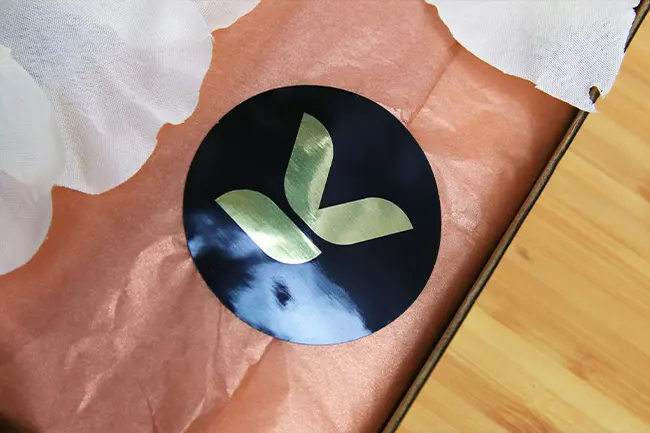
When thinking about product packaging, consider how each sticker interacts with the surface. Matte paper stickers may complement certain book covers, while durable custom decals can withstand shipping, handling, and moisture. Ensure that your stickers for packaging can peel off or transfer easily without leaving sticky residue on the book. Whenever possible, avoid placing stickers directly on the book cover. Using them on protective wrapping, envelopes, or removable hang tags keeps the book pristine while still allowing the sticker to add visual appeal. Thoughtful placement like this not only prevents damage but also shows care for the book and its future readers.
Tips for Safe Removal of Stickers From Books
Here are some practical tips to keep in mind:
- Warm the sticker gently using a hair dryer.
- Peel slowly at a low angle rather than lifting straight up.
- Test edges first with a soft card or fingertip.
- Use minimal moisture if residue persists.
- Avoid harsh chemicals or sharp tools.
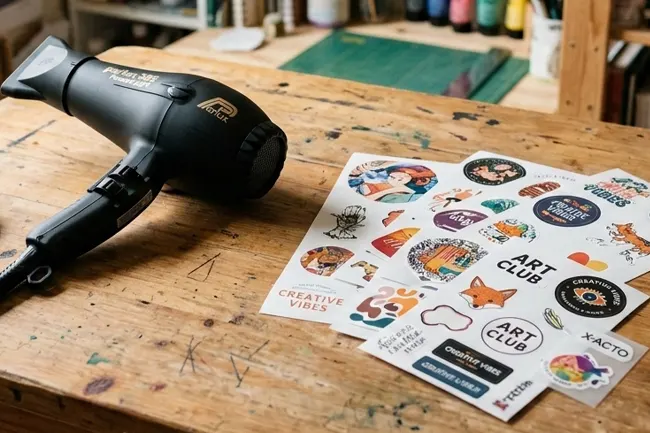
Following these practical tips illustrates how to remove stickers from books step by step, even for older books or heavily bonded sticker adhesives. By combining patience, awareness, and the right technique, you can remove unwanted stickers while keeping the book intact.
Final Thoughts
Understanding how to remove stickers from books is essential for collectors, retailers, and gift-givers alike, preserving both aesthetics and the structural integrity of your books. The goal is to preserve the cover, pages, and overall appearance while eliminating unwanted labels or adhesives. Even faint residue is preferable to tearing the cover or lifting ink.
At the same time, stickers remain a versatile tool for businesses. Custom stickers can enhance product packaging, create memorable promotions, and give customers a reason to engage with your brand. Thoughtful application adds value and reinforces your business identity, turning simple packaging into something more.
If you want stickers that combine durability with design versatility, AllStickerPrinting has a wide selection to suit your branding, packaging, and promotional needs. From enhancing product presentation to creating memorable giveaways, their printing services ensure every sticker makes an impact.