
From the punk rock concerts of the 1970s to school clubs and fan conventions, button badges have long served as tools of self-expression. Worn on bags, jackets, or hats, badges allowed people to signal interests, affiliations, and personal identity at a glance. They were affordable, easy to produce, and instantly recognisable, making them ideal for young audiences and grassroots communities seeking to stand out or belong. Over time, these small circles of metal and paper evolved from subcultural markers into mainstream collectibles, showing that even miniature accessories can carry meaning and spark connection, a legacy that continues today through custom badges for events.
For businesses and organisations, button badges offer more than nostalgia. The qualities that made them popular with younger generations, their visibility, shareability, and emotional resonance, translate seamlessly into marketing. Badges create tangible touchpoints that feel personal while extending a brand’s presence. Whether used at events, as promotional giveaways, or as part of experiential campaigns, badges can turn a small format into a lasting impression, helping brands connect with audiences in subtle yet powerful ways.
Roots in Music, Fashion, and Youth Movements
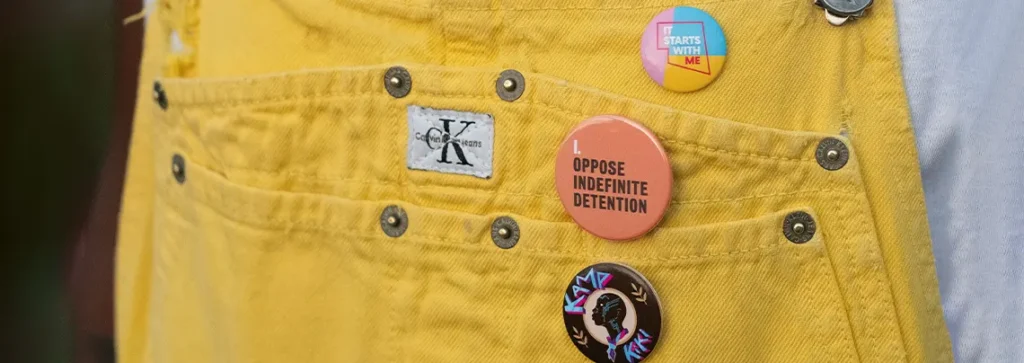
The earliest widespread use of button badges in popular culture came from music and youth movements. In punk, rock, and indie scenes, badges were worn to display allegiance to a band, political idea, or social movement. Schools, fan clubs, and grassroots organisations also adopted them to signal membership or shared interests. Their small size, portability, and low cost made them ideal for mass distribution and repeated display. A badge on a denim jacket or backpack became more than decoration; it was a statement. These early uses proved that compact, inexpensive items could create a sense of identity and spark conversation, a principle that remains true in marketing today.
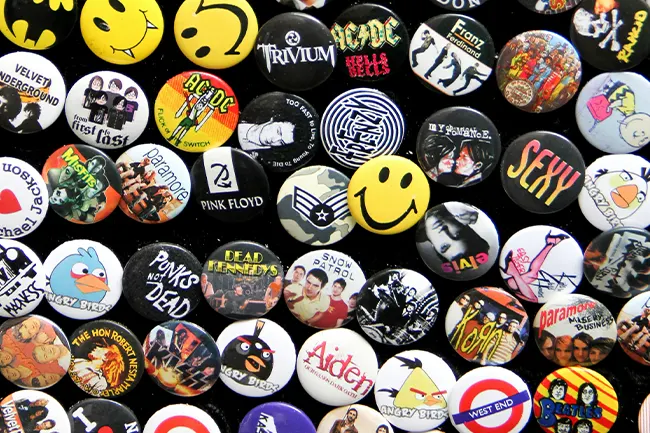
The Rise of Button Badges in Popular Culture
Badges eventually transcended their niche origins, becoming mainstream cultural markers. They appeared in magazines, merchandise booths at concerts, and fan conventions, often sold alongside posters, t-shirts, or collectible memorabilia. Their visual appeal and portability helped shape social trends and identity signaling. People could curate collections of badges to reflect interests, affiliations, and personal taste. This collectibility made badges interactive and shareable, encouraging social engagement and repeated display. In other words, these small items were more than fashion accessories; they were cultural symbols capable of influencing communities.
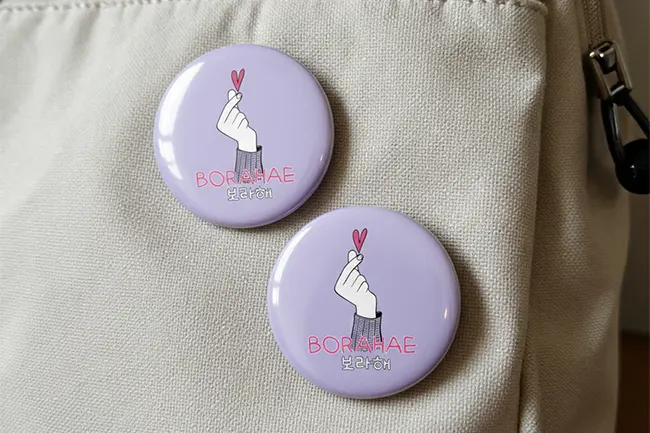
Why Button Badges Work: Psychology and Cultural Resonance
What makes button badges so effective? Part of their power comes from their wearability and visibility. A badge can communicate personal identity without a word being spoken. Collectibility adds another layer, giving people reasons to engage with multiple designs or trade with others. They also serve as conversation starters, creating natural social interactions that amplify their reach. These qualities demonstrate how even small, simple items can resonate with an audience. When businesses adopt badges, they tap into these psychological and cultural mechanisms, transforming a tangible object into a vehicle for brand storytelling.
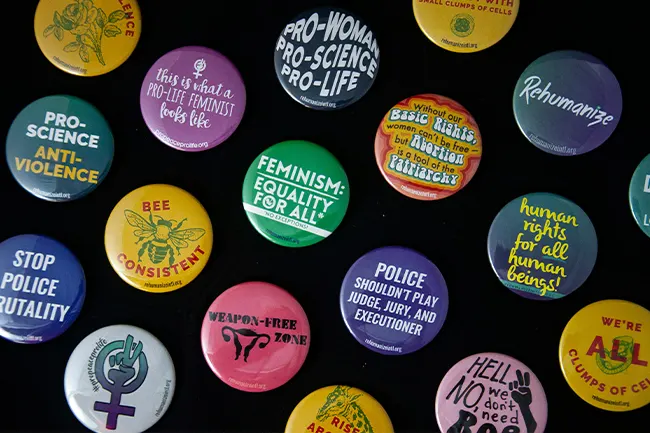
Businesses Adopting Custom Badges
Recognising the potential of badges for engagement, businesses have adapted them from popular culture. They use custom badges for events to elevate promotions, retail experiences, and branded gatherings without overwhelming audiences. Unlike traditional advertising, badges create subtle, shareable touchpoints that feel authentic. They can identify staff at events, serve as collectibles at product launches, or act as limited-edition giveaways that spark excitement and repeat interaction. By borrowing from the principles that made badges successful in youth and pop culture, companies can create marketing assets that feel personal, memorable, and visible long after distribution.
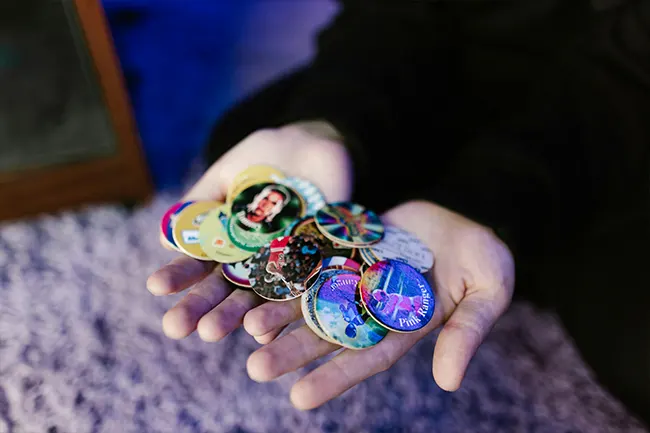
Custom Badges: Modern Marketing and Branding
Today, custom badges are versatile tools for branding and promotion. They function as wearable brand touchpoints that customers choose to display, whether on bags, jackets, or lanyards. This organic visibility extends brand presence into everyday life, creating subtle reinforcement and enhancing recognition. Events, product launches, and experiential campaigns benefit particularly from badges, as they encourage participation and engagement in a low-pressure, memorable way. Thoughtful design and professional production ensure each badge communicates a brand’s personality and values while leaving a lasting impression.
For businesses looking to leverage the power of badges, professional printing services make a difference. High-quality materials, accurate colours, and precise printing ensure designs remain crisp and professional. Whether producing hundreds of badges for a corporate conference or smaller quantities for a retail promotion, planning, design clarity, and attention to detail guarantee the result aligns with brand identity. When combined with strategy and creativity, badges become a cost-effective marketing tool that captures attention, encourages social sharing, and strengthens brand recall.
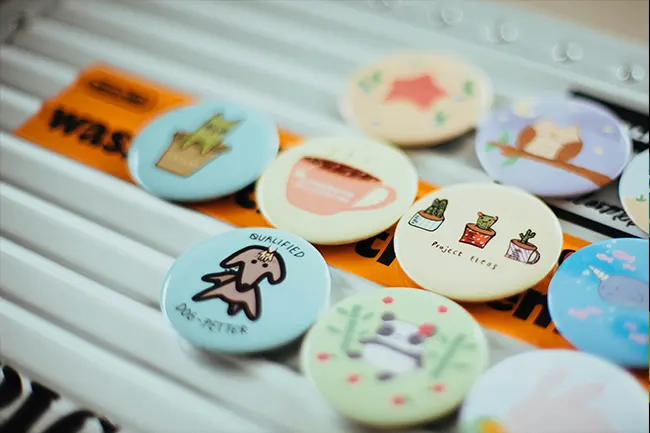
Custom badges for events offer a rare opportunity to blend culture, nostalgia, and marketing in one small format. By understanding their historical significance and modern potential, businesses can create badges that do more than decorate. Whether distributed at events or used as collectible items, badges provide a tactile experience that makes a brand feel present in everyday life. Learn more about how cultural and design influences shape memorable branding. Check out this article on postmodern design in visual culture. When you’re ready to bring those ideas into your own campaigns, explore our custom printing services to start creating badges that leave a memorable mark and turn every touchpoint into a valuable branding opportunity.